
Healthcare & Medical Data Interface — Structured Clinical Workflows
A privacy-conscious healthcare web application featuring structured clinical data views, role-aware provider dashboards, health record interfaces, and care workflow coordination.
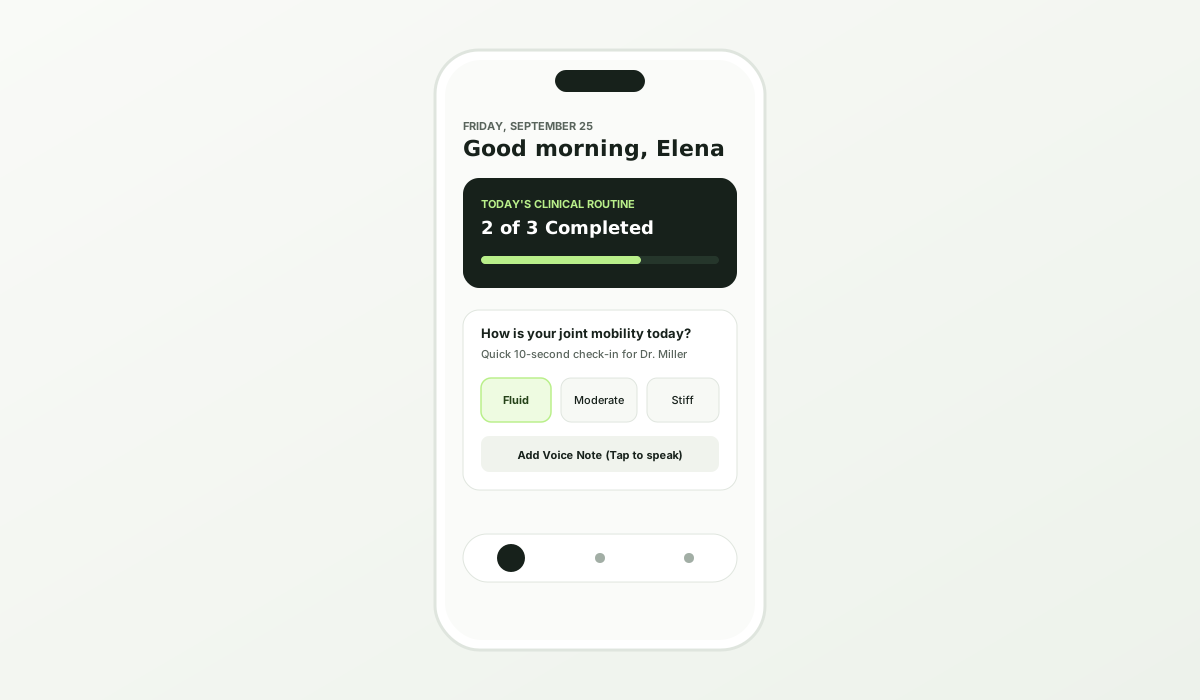
Headline results — every figure is traceable to the evidence in Outcomes & Proof.
Project Overview
Addressing the complex requirements of medical data representation, this platform direction demonstrates our expertise in building privacy-conscious, dense data interfaces for clinical environments. The system organizes longitudinal patient records, laboratory findings, vital trend tracking, and appointment schedules into structured, high-legibility views that help clinicians and care teams review vital information without cognitive fatigue.
Clinicians, medical practice managers, care coordinators, laboratory staff, and clinical operations teams.
The Challenge
Medical interfaces are notoriously cluttered, poorly formatted, and exhausting for practitioners to navigate. Representing high-volume medical data requires strict visual hierarchy, zero visual ambiguity, and meticulous role-based access boundaries.
Our Solution & Engineering Approach
Designed and engineered a modular clinical dashboard with specialized tabular views, sparkline trend visualizations, categorized encounter notes, and permission-gated audit trails.
Medical data modeling, clinical interface design, role-aware permission architecture, and high-legibility typographic design.
How We Worked
The engagement sequence, in the order the decisions actually had to be made.
- 01
Clinical data mapping
Structured health metrics into standardized categories vitals, lab panels, diagnoses, and care plans.
- 02
Density & legibility
Selected high-contrast typefaces and calibrated tabular layouts to prevent numerical reading errors.
- 03
Role segregation
Architected strict permission scopes ensuring clinicians, nurses, and billing staff see only relevant data subsets.
- 04
Smart summary direction
Prototyped assistant workflows to generate concise encounter highlights with provider validation.
Key Features & Capabilities
What the product actually does, expressed as the engineering contract behind each surface.
Structured Clinical Views
Clear chronological timelines displaying patient encounters, vital trends, and categorized laboratory results.
Role-Aware Provider Dashboards
Permission-gated interfaces ensuring medical staff, care coordinators, and administrators view calibrated data.
Privacy-Conscious Architecture
Engineered with strict data segregation, encrypted storage patterns, and comprehensive audit logs.
Care Workflow & Appointments
Schedule tracking, clinical encounter checklists, and team care coordination in a unified dashboard.
System Architecture & Data Flow
The step-by-step pipeline from input ingestion to client delivery.

Technology Stack & Rationale
6 technologies across 4 disciplines — each chosen for performance, type-safety, and operational simplicity.
React
TypeScript
Tailwind CSS
Node.js
PostgreSQL
Intelligent Automation
Outcomes & Verified Evidence
Every figure below carries the benchmark and instrumentation it came from.
What We Learned & What's Next
The honest retrospective — including the parts that shaped later architectural decisions.
In healthcare interfaces, restraint is critical. Avoiding distracting animations and optimizing for instantaneous numerical scanning directly enhances clinical workflow speed.
Mobile provider companion app, structured lab report ingestion pipelines, and automated clinical documentation assistance.
Interface Details
Select any view to inspect it full size.
Ready to turn an ambitious vision into thoughtful software?
We engage with a limited number of clients simultaneously to guarantee direct senior focus on every line of code and interface detail.
Related case studies
Adjacent problems, solved with the same engineering discipline.
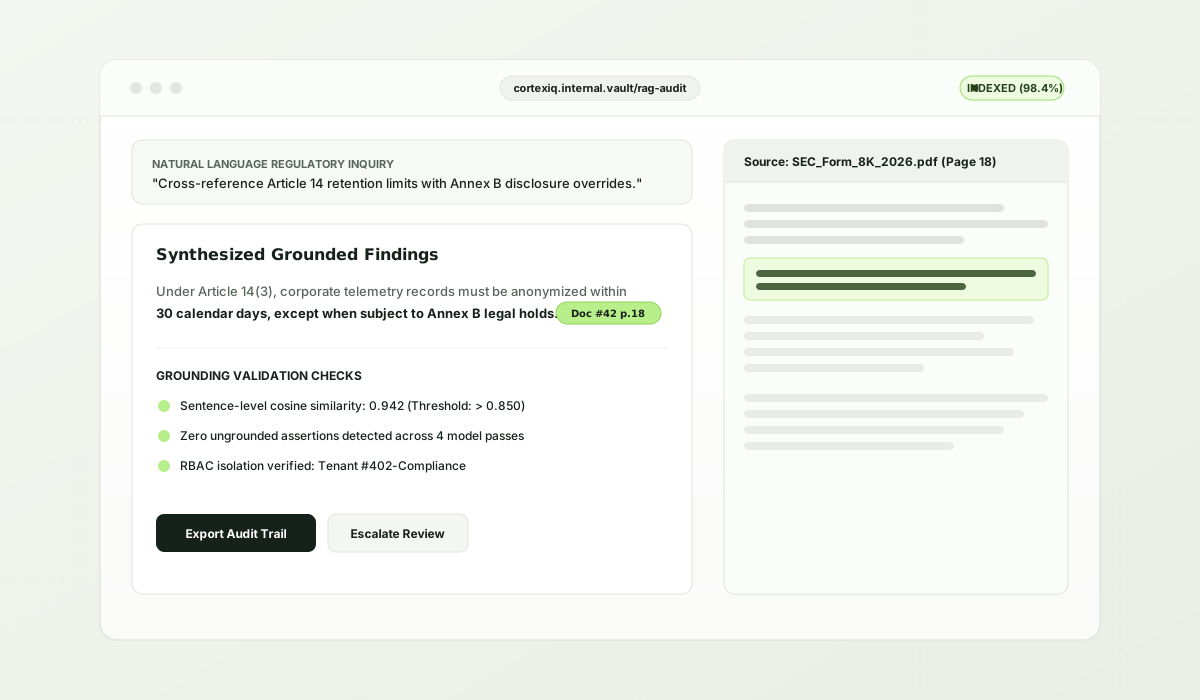
ResCount — Restaurant Discovery, Deals & Partner Growth Ecosystem
Our flagship product: a dual-sided ecosystem connecting diners with verified local dining deals while giving restaurant operators real-time campaign control and review intelligence.
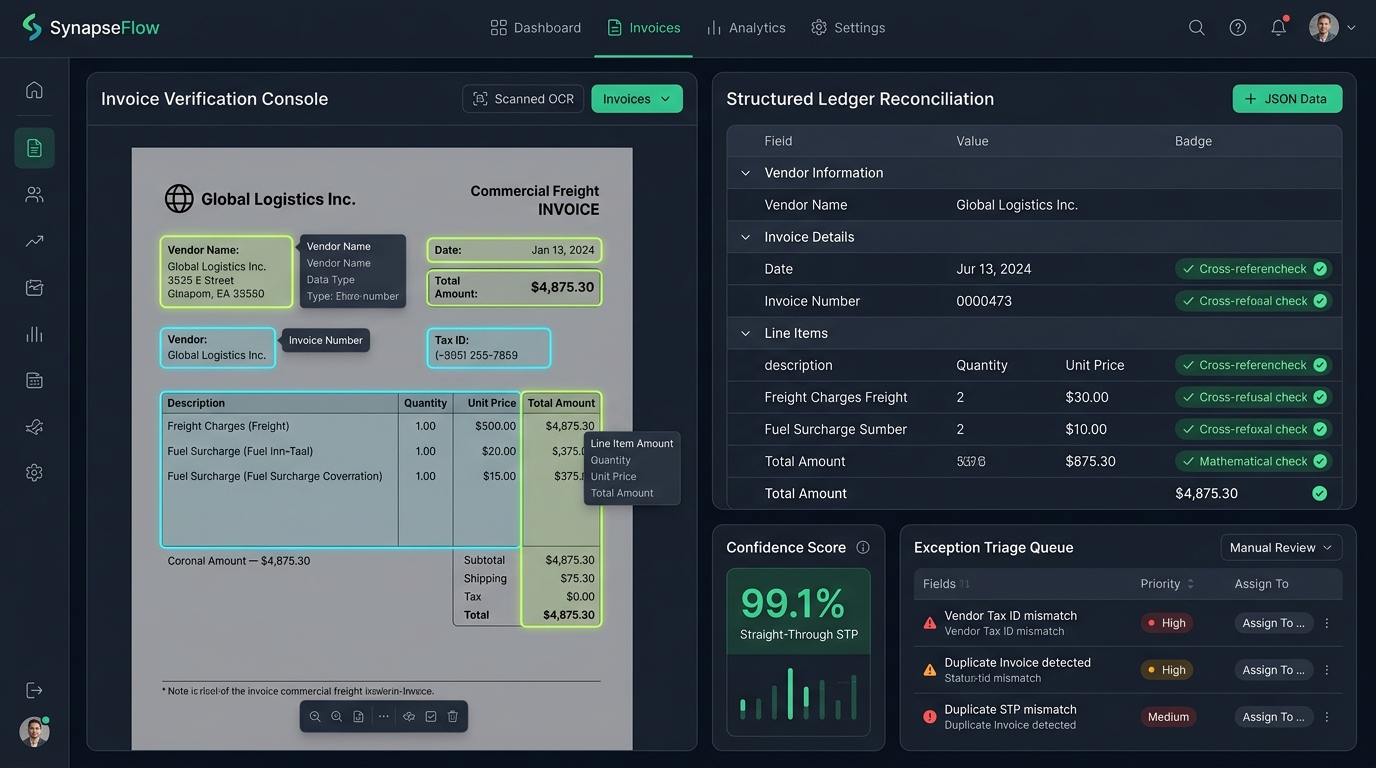
Restaurant Operations Platforms — Menus, Ordering, Payments & Kitchen Workflows
Comprehensive restaurant commerce platforms supporting online menus, direct ordering, dine-in QR, table reservations, Stripe checkout, and ESC/POS kitchen thermal printing.
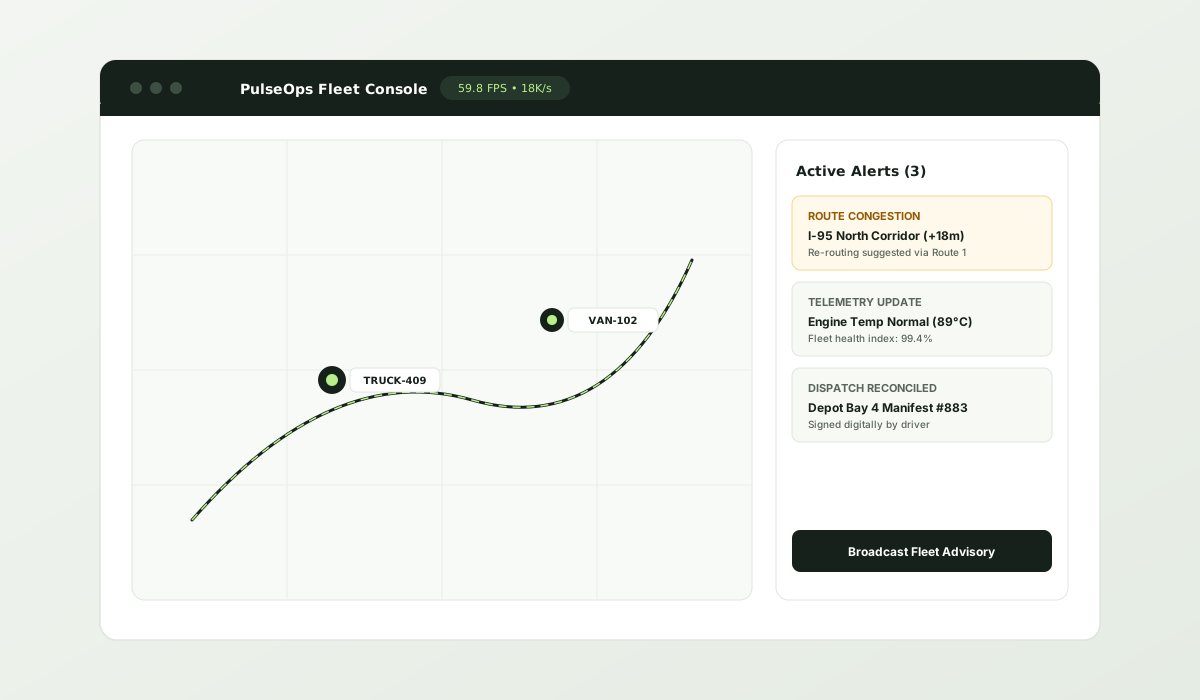
School Management Platform — Admissions, Portals & Operations
A comprehensive school management platform supporting admissions pipelines, parent communication, academic content, activities/gallery management, and future portal modules.